Why Does Gemstone Sourcing Take So Long?

What really happens between “we are looking for your stone” and “your stone has arrived!” 

Rows of assorted cut gemstones on a sourcing tray, awaiting for selection.

"Why haven’t you found my gemstones yet?" It's a question we hear often — and a fair one. In a world where almost anything can be delivered in two days, waiting weeks (sometimes months) for a gemstone can feel unusual. But that wait isn't a delay in the ordinary sense. It's the sound of a process working exactly as it should. 
 
In this post, we're pulling back the curtain on what actually happens between "we found your stone" and "your stone has arrived" — and why each step matters more than it might seem.
 
Gemstones Come From the Ground, Not a Warehouse

Unlike manufactured goods, gemstones can't simply be produced on demand. They're mined from specific regions, like our Sapphires come from Sri Lanka, Mozambique, Madagascar, Emeralds from Colombia, Zambia, Rubies from Myanmar, Mozambique, Madagascar and Thailand, Tanzanite from Tanzania and Tourmalines from Nigeria, Mozambique, Brazil - and truly fine, gem-quality material is rare even within these regions, with only a small fraction of what's mined meets our standard for exceptional color and clarity. 
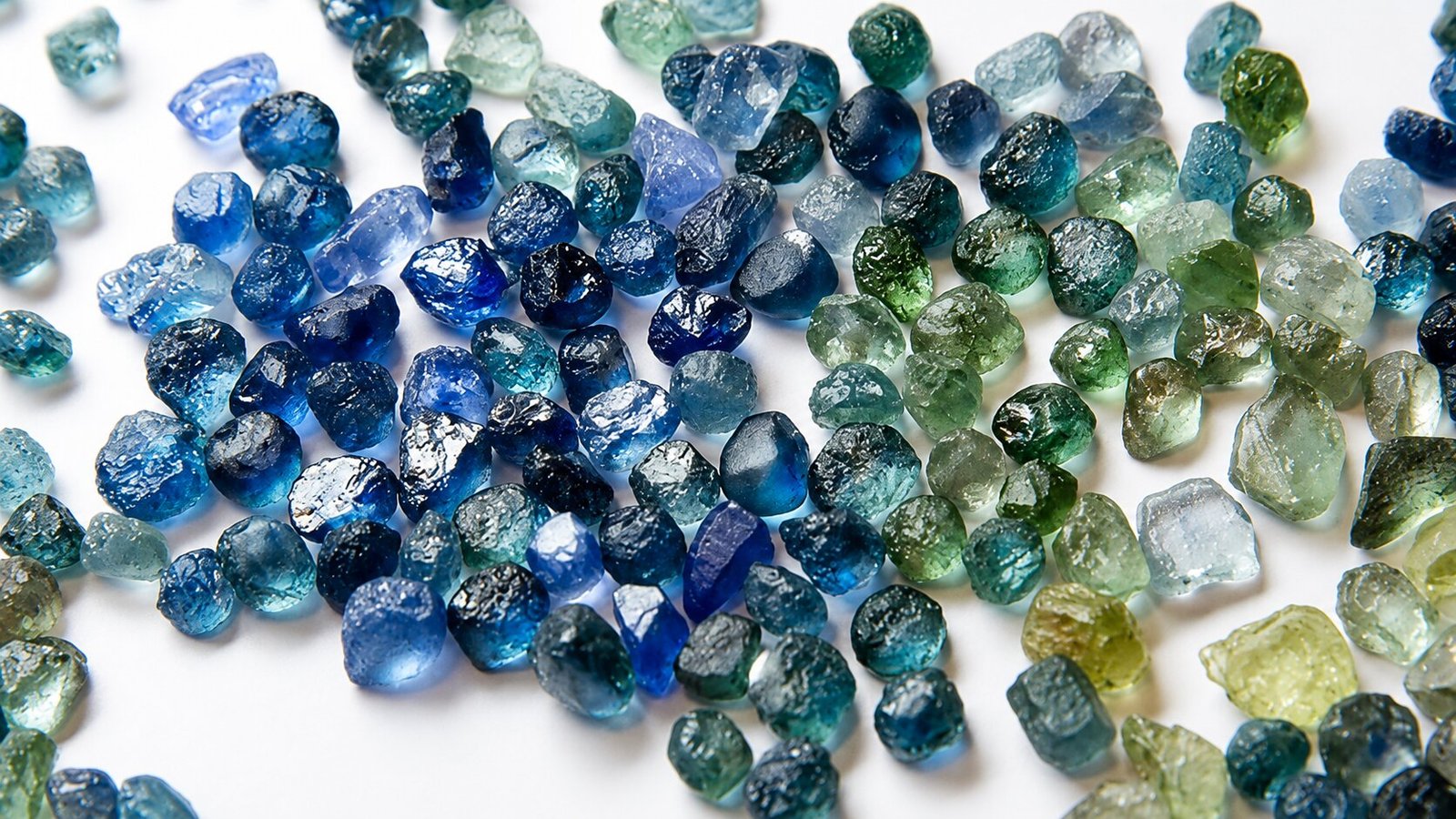
This means supply isn't something a business can simply "order more of." It has to be found, and finding it takes time. 
Rough sapphires in shades of blue and green, freshly mined and laid out before sorting.
Ethical Sourcing Isn't Optional — And Verification Takes Time

Responsible sourcing means every stone needs to be traceable — free of conflict, fair to the miners and workers involved, and compliant with frameworks like the Kimberley Process (for  diamonds) or similar due-diligence standards for coloured gemstones. This involves documentation, chain-of-custody checks, and sometimes third-party audits at each stage the stone passes through, from mine to cutter to dealer. 

Skipping this step is faster. It's also how unethical and untraceable stones end up in the market. We'd rather take the extra time. 
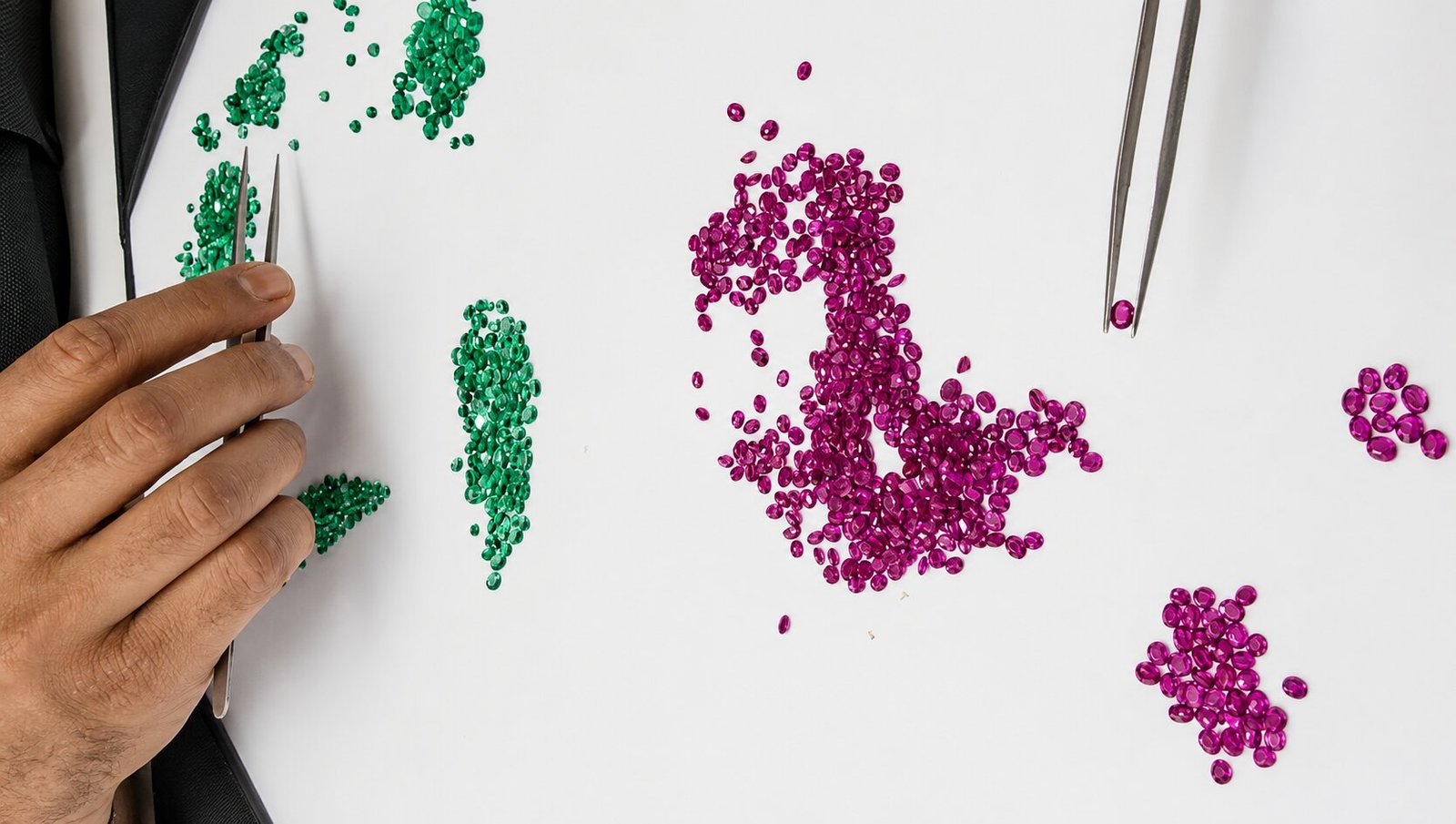
Rubies and emeralds sorted into piles by colour and quality, with tweezers used to inspect individual stones during due-diligence checks.
Every Stone Has to Be Graded and Certified
Before a gemstone reaches a customer, it typically passes through independent laboratories — such as GIA, GRS, SSEF, Bellerophon, AGA, and GSI — for grading and certification. This process verifies authenticity, checks for treatments, and assesses clarity, colour, and cut against international standards. They also trace a stone's origin, since gems from certain sources are rarer and more sought-after, which can significantly affect their worth. Lab queues, especially for high-demand certified gemstones types, can add real time on their own. It's a step most customers never see, but one that protects them from paying for something the stone isn't. 
 
Cutting Is a Decision, Not a Formality 
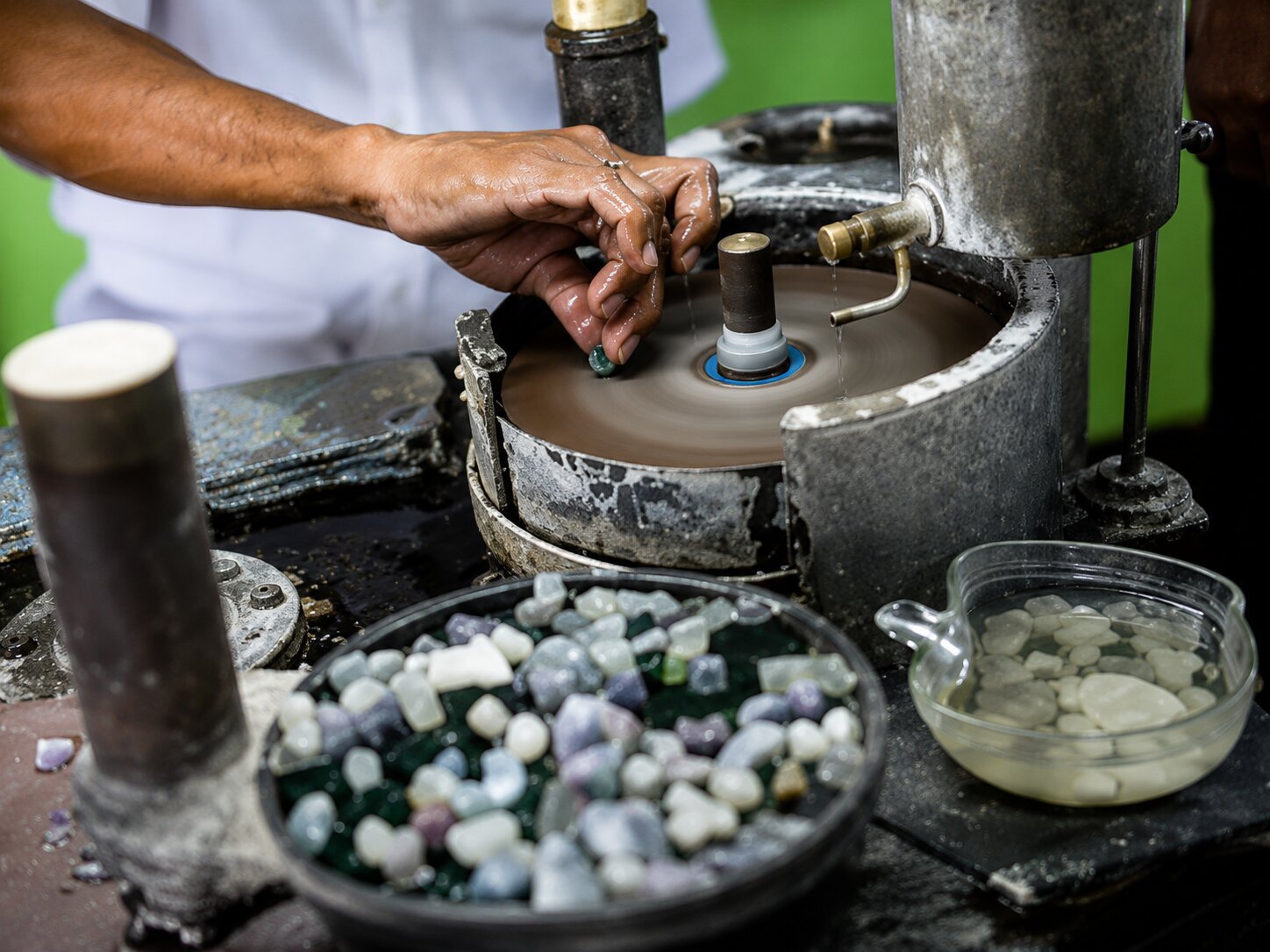
Rough gemstones don't arrive pre-shaped. A cutter has to study each stone's internal structure, colour zoning, and inclusions to decide how to cut it — a decision that can take days of planning to get right. A rushed or poorly planned cut can waste a large percentage of a valuable rough stone, or fail to bring out its best colour and brilliance. 
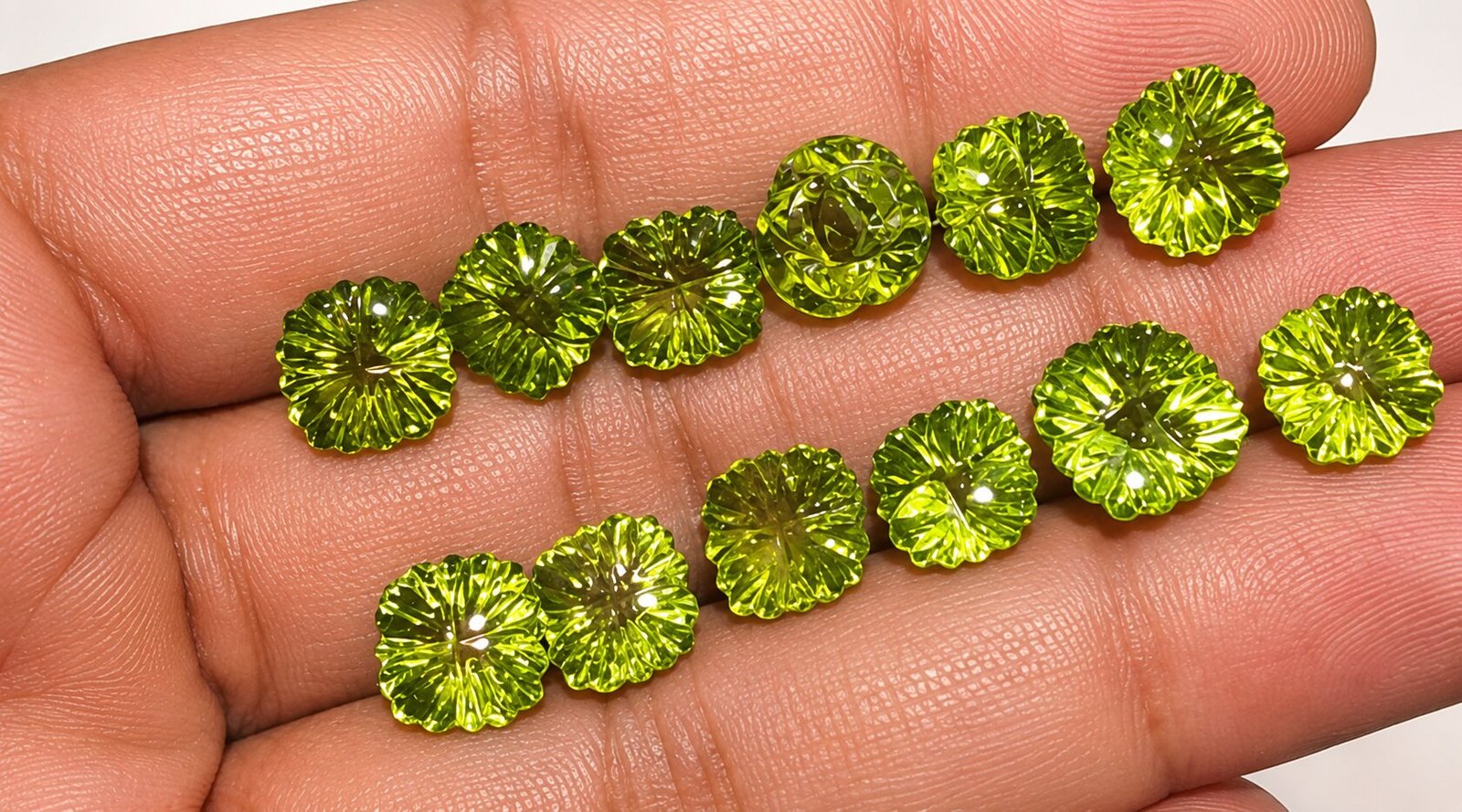
Rows of peridot hand-carved into a floral cut, showcasing precision and brilliance.
Global Logistics Add Real, Unavoidable Time
A single gemstone might cross three or four countries before it reaches a customer: mined in one country, cut in another, certified in a third, and finally sold in a fourth. Each border crossing involves customs clearance, import/export regulations, and — for higher-value stones — additional security and insurance steps. None of this is optional, and none of it can be rushed without risking the shipment itself.
 
Rarity Means Rejecting More Than Accepting 
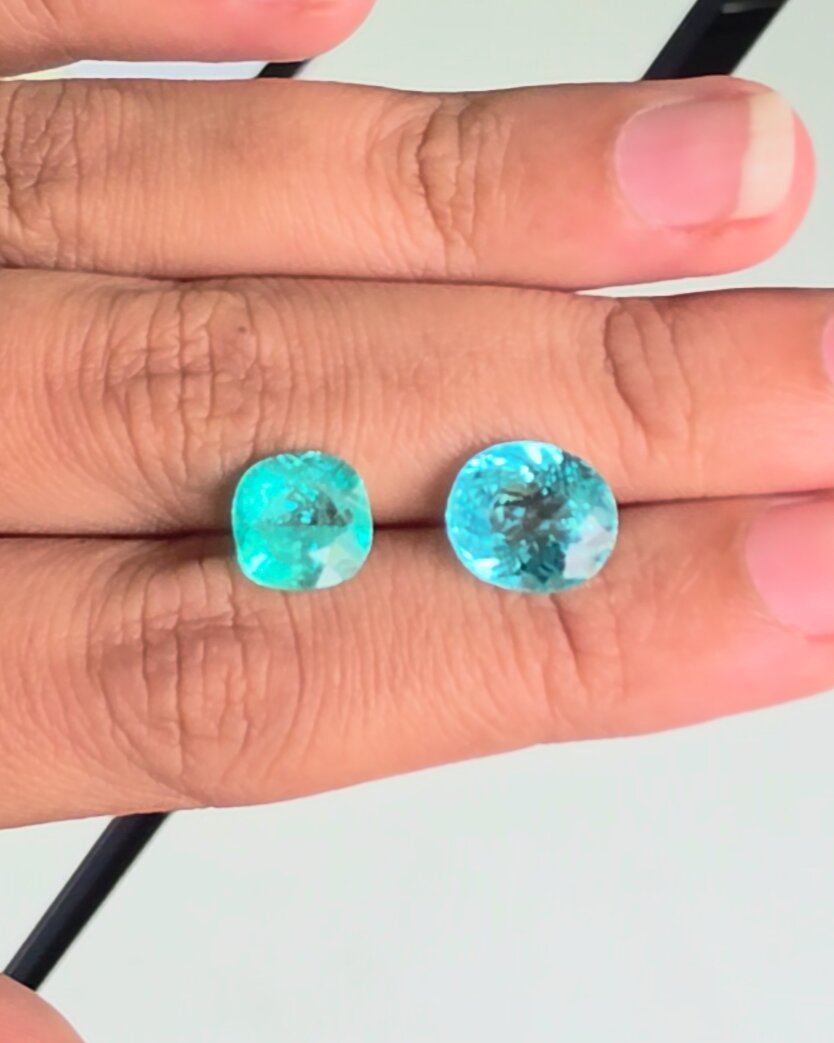
For every gemstone that meets a brand's standards, several others are turned away — because of visible inclusions, poor colour saturation, or treatments that weren't disclosed. Sourcing teams often review dozens of stones to select just one that meets the specifications a customer is looking for, especially for custom orders requesting a precise colour, size, or clarity match. 
 
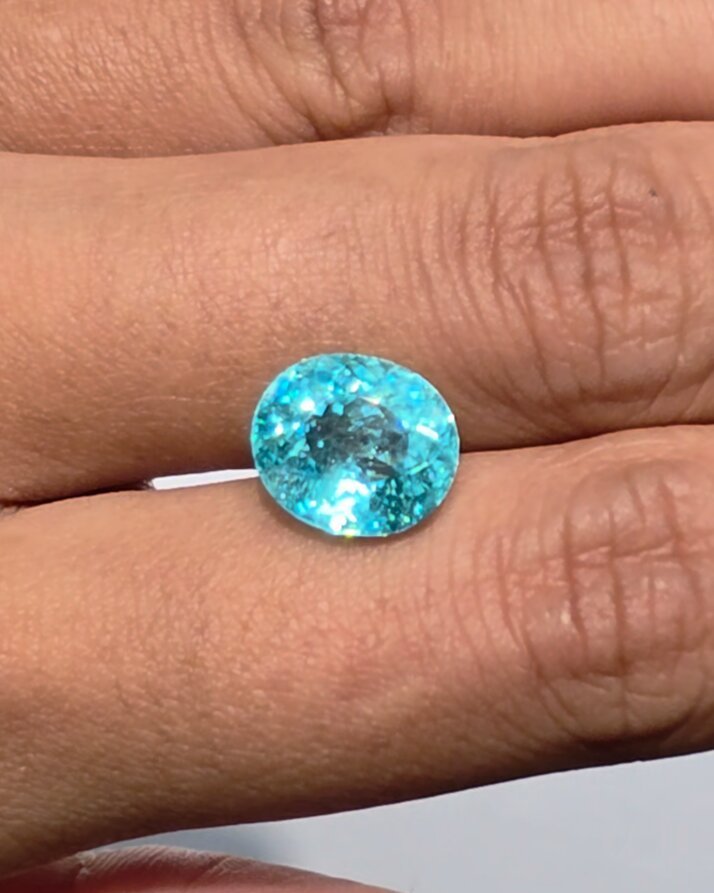
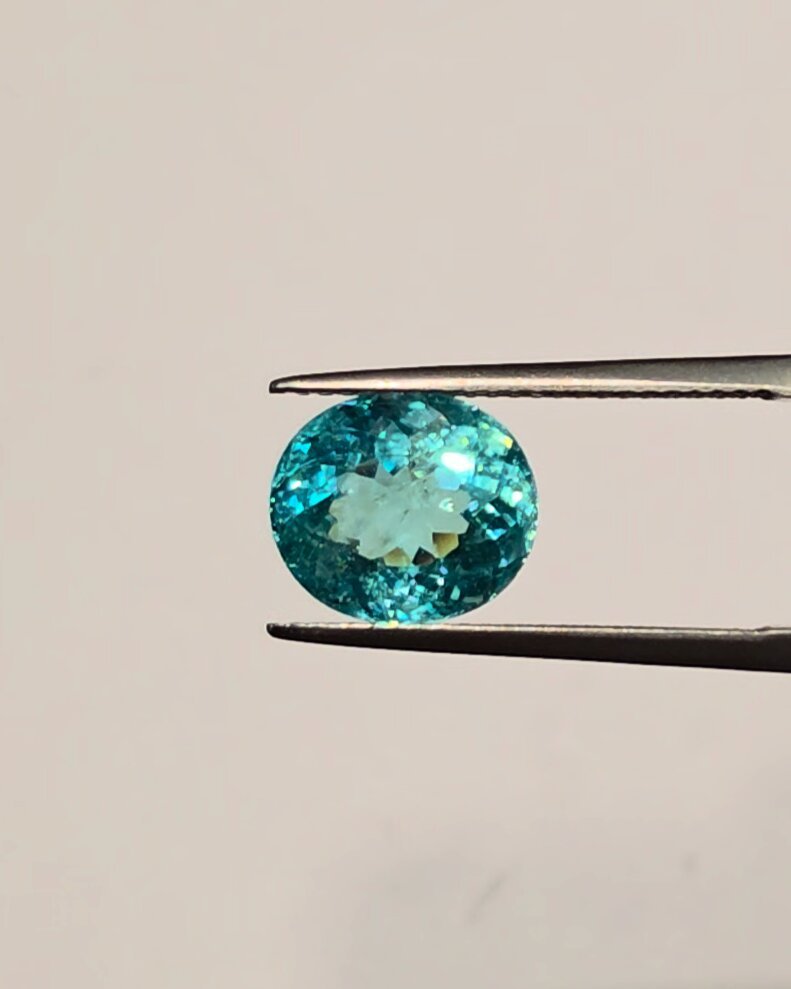
It took us over six months to find one Paraíba Tourmaline. After months of searching, four stones that reached final review- only one had it all — the signature neon glow, deep saturation, and a cut precise enough to do the colour justice and the most important aspect - The PRICE.  The rest didn't make it past our standards. 
Paraíba tourmaline gemstones being hand-inspected for colour saturation and clarity before final selection at Raksha Reddy India.
Why the Wait Is Actually a Good Sign
It's worth reframing this: a fast, effortless gemstone-buying experience is often a red flag, not a convenience. Speed at every stage usually means shortcuts somewhere — skipped certification, undisclosed treatments, or unverified origins. And shortcuts don't lower the price; they just mean you end up paying premium prices for a fraction of the quality.  
 
The time your gemstone takes to reach you reflects the number of careful checks it passed along the way. That's not a delay. That's the process working. 
 
Gemstone sourcing takes time because it has to. From remote mines to ethical audits, from lab certification to skilled cutting, every step exists to make sure what reaches you is genuine, fairly sourced, and worth the wait. 
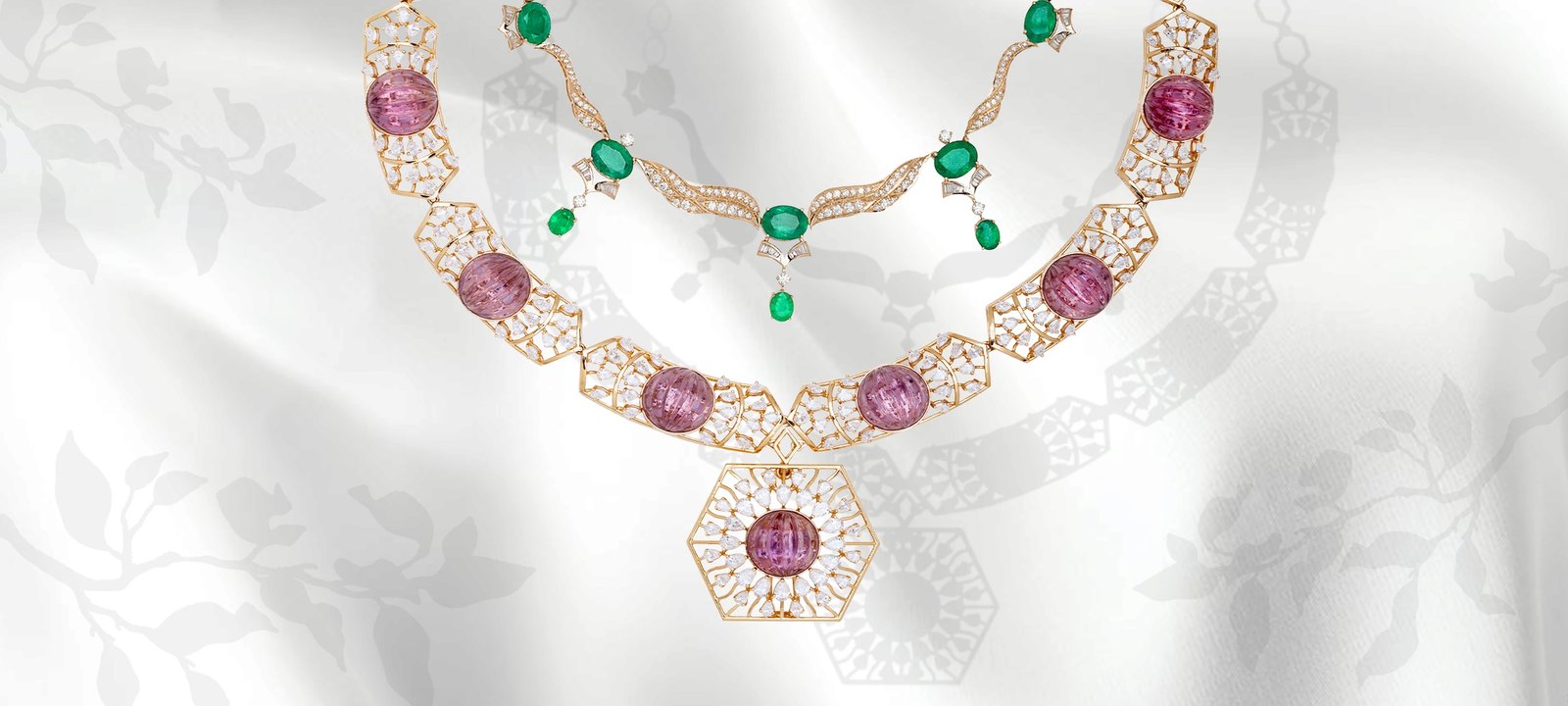
At Raksha Reddy India, ethics and artistry go hand in hand. Every stone is ethically sourced, every design meticulously crafted — created with the patience true craftsmanship deserves. Discover our collection and see the difference patience makes.