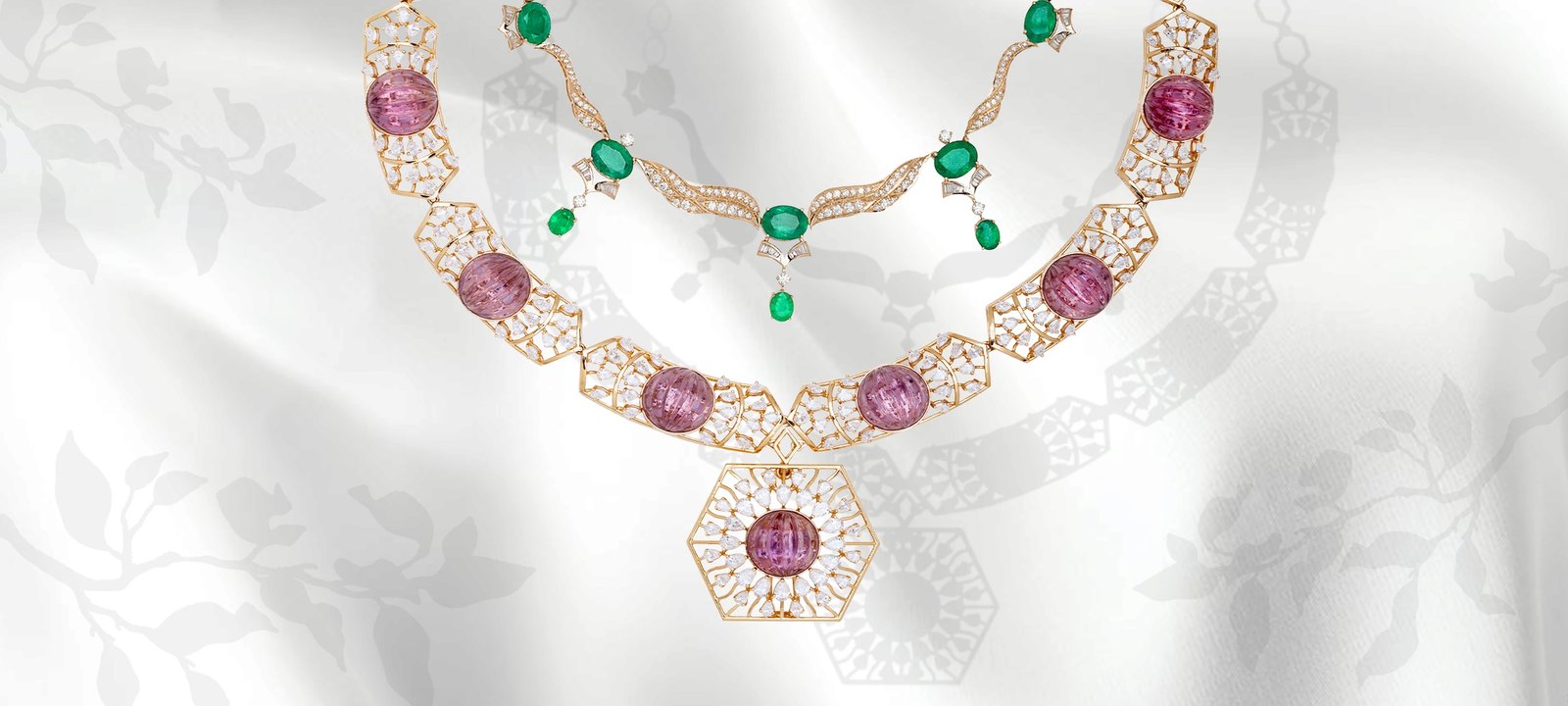
Why Does Gemstone Sourcing Take So Long?
What really happens between “we are looking for your stone” and “your stone has arrived!”
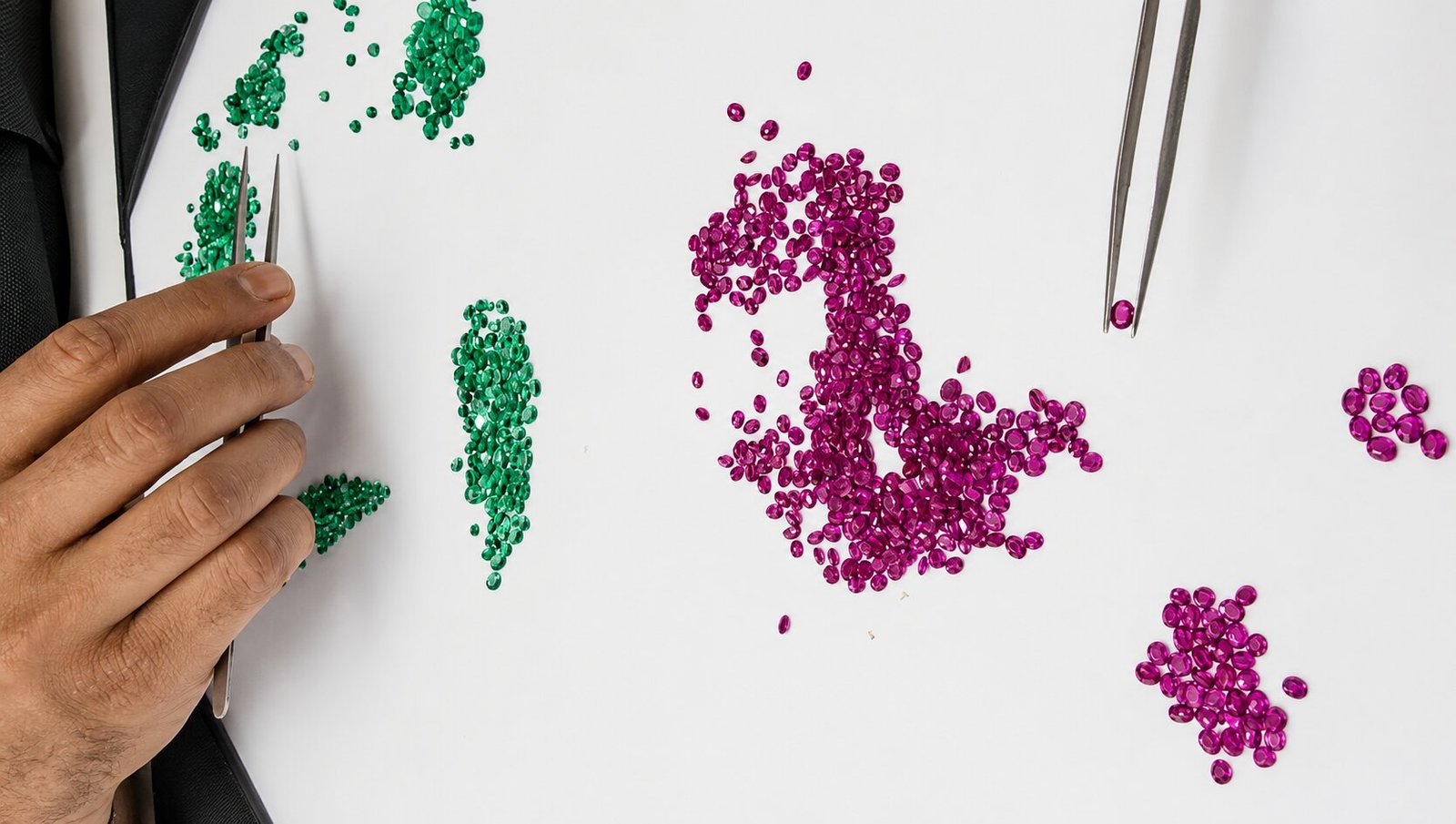
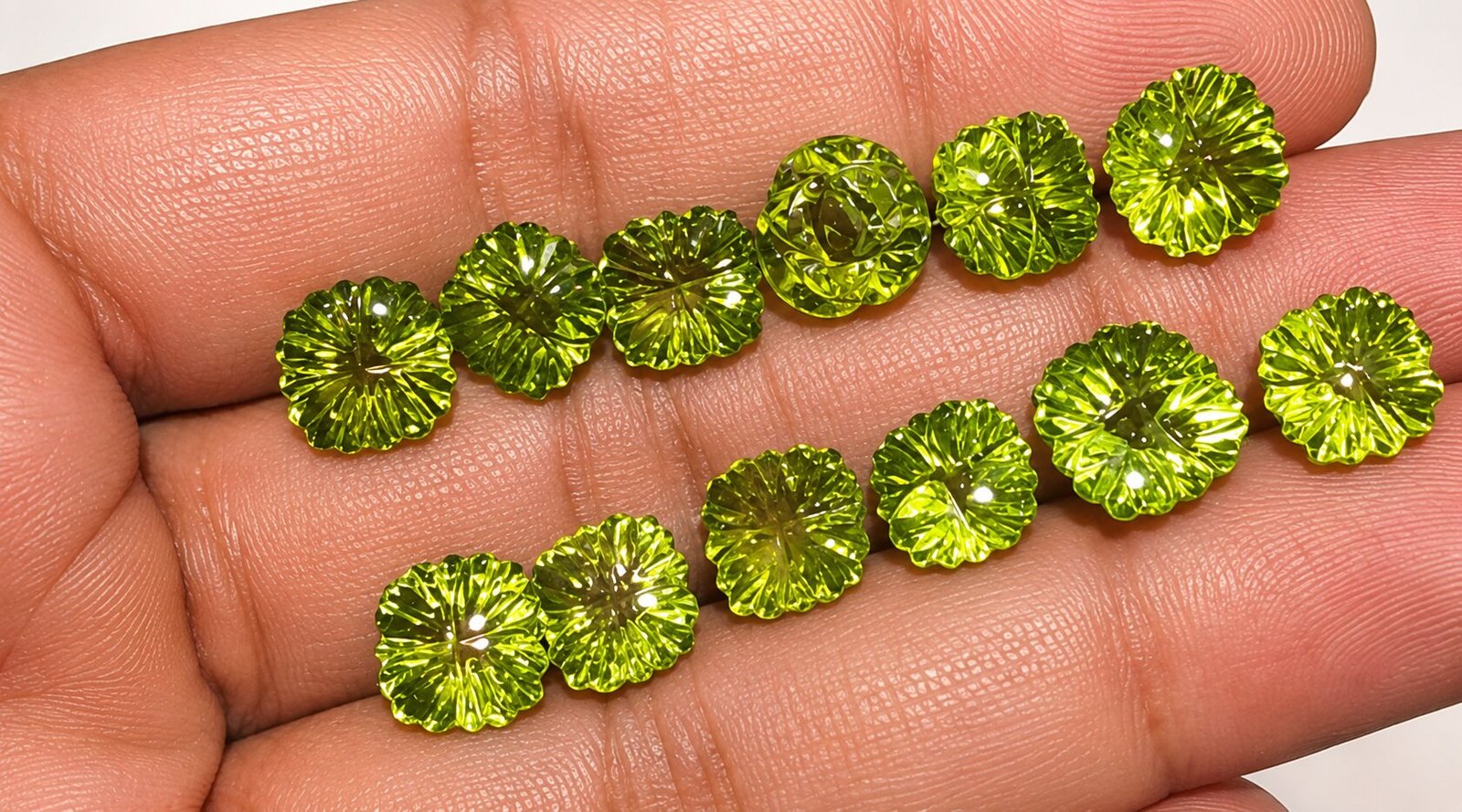
Rows of assorted cut gemstones on a sourcing tray, awaiting for selection.
Gemstones Come From the Ground, Not a Warehouse
Unlike manufactured goods, gemstones can't simply be produced on demand. They're mined from specific regions, like our Sapphires come from Sri Lanka, Mozambique, Madagascar, Emeralds from Colombia, Zambia, Rubies from Myanmar, Mozambique, Madagascar and Thailand, Tanzanite from Tanzania and Tourmalines from Nigeria, Mozambique, Brazil - and truly fine, gem-quality material is rare even within these regions, with only a small fraction of what's mined meets our standard for exceptional color and clarity.
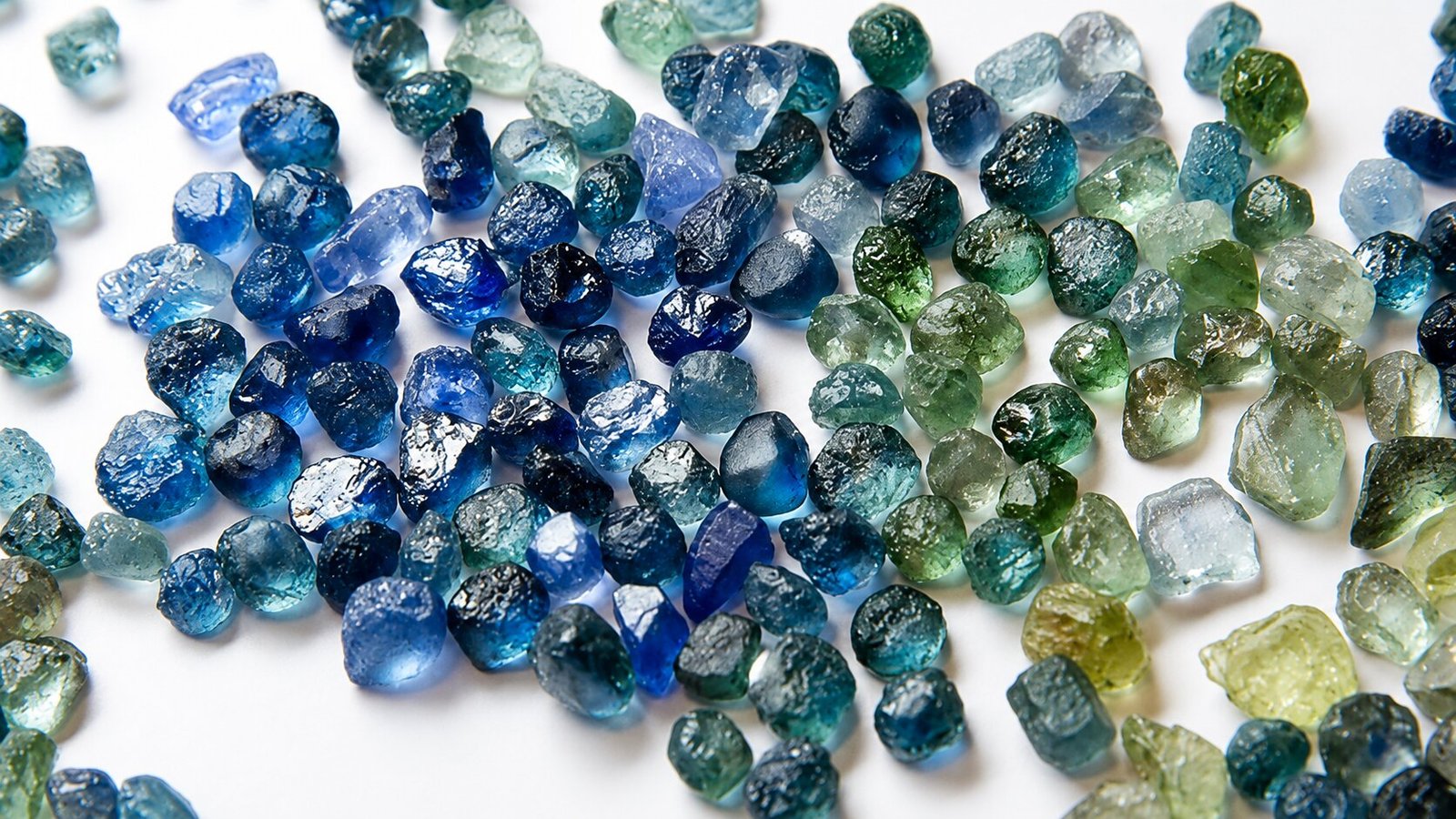
Ethical Sourcing Isn't Optional — And Verification Takes Time
Responsible sourcing means every stone needs to be traceable — free of conflict, fair to the miners and workers involved, and compliant with frameworks like the Kimberley Process (for diamonds) or similar due-diligence standards for coloured gemstones. This involves documentation, chain-of-custody checks, and sometimes third-party audits at each stage the stone passes through, from mine to cutter to dealer.
Skipping this step is faster. It's also how unethical and untraceable stones end up in the market. We'd rather take the extra time.
Every Stone Has to Be Graded and Certified
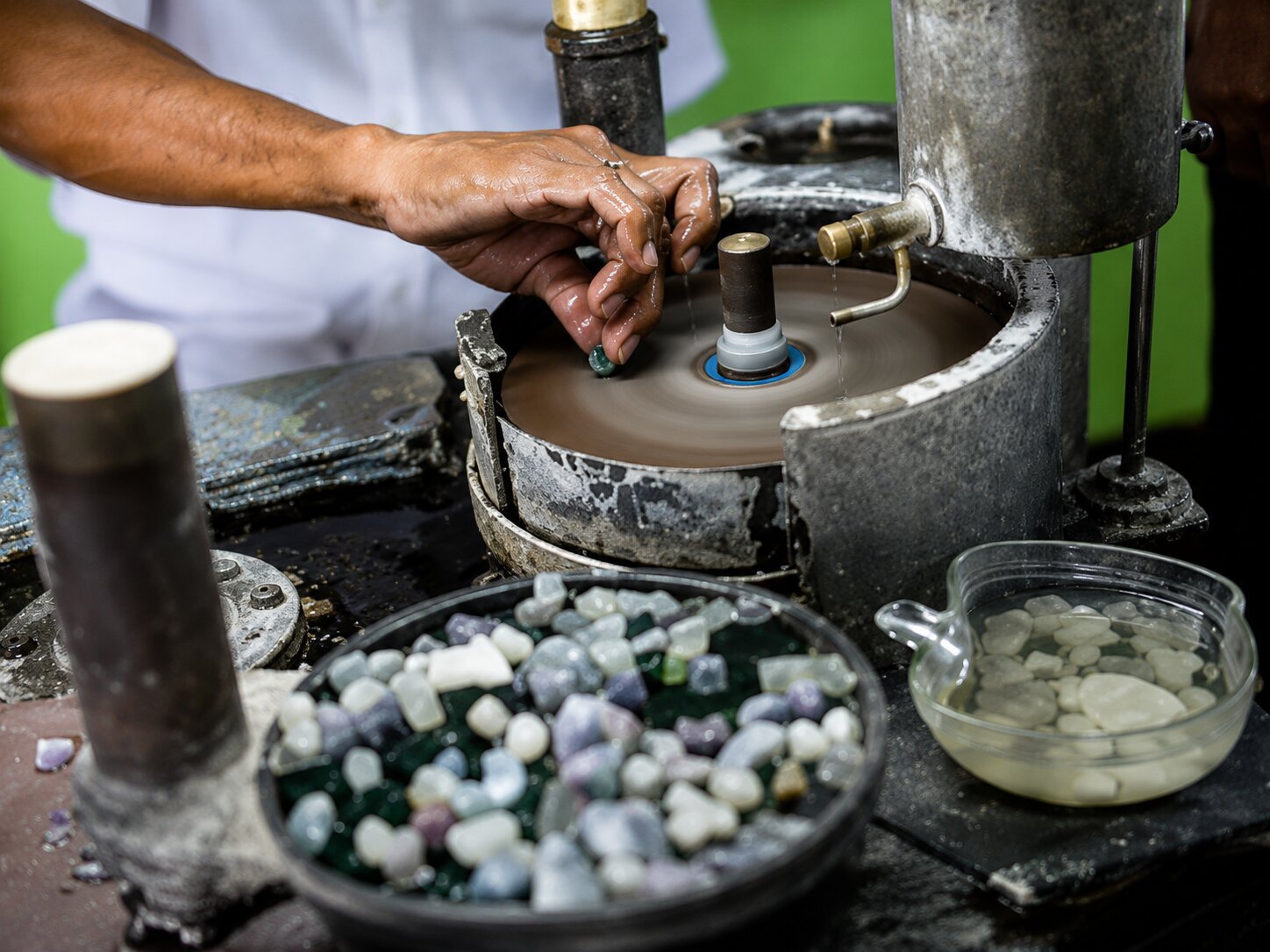
Cutting Is a Decision, Not a Formality
Global Logistics Add Real, Unavoidable Time
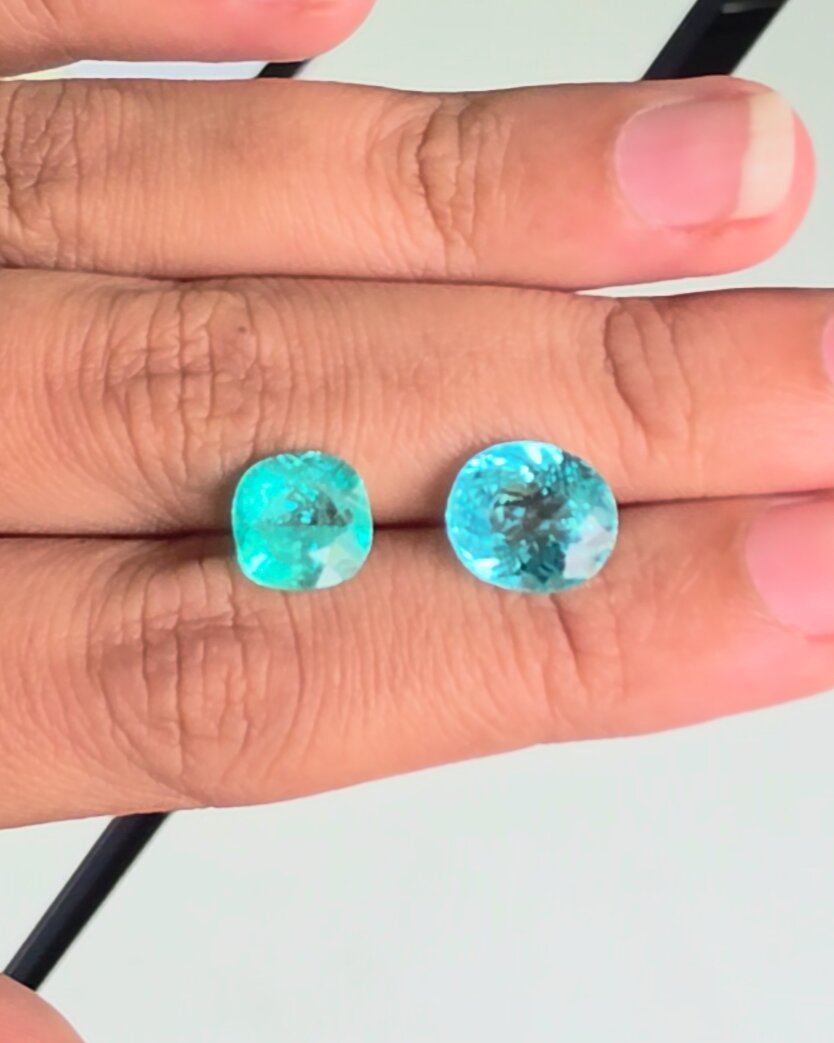
Rarity Means Rejecting More Than Accepting
Why the Wait Is Actually a Good Sign
At Raksha Reddy India, ethics and artistry go hand in hand. Every stone is ethically sourced, every design meticulously crafted — created with the patience true craftsmanship deserves. Discover our collection and see the difference patience makes.